
Leak source identification
We inspect the roof surface and the details that commonly fail: step flashing at walls, chimney flashing, skylight curbs, plumbing vents, valleys, and any prior patch areas. The goal is to find the first point of entry.
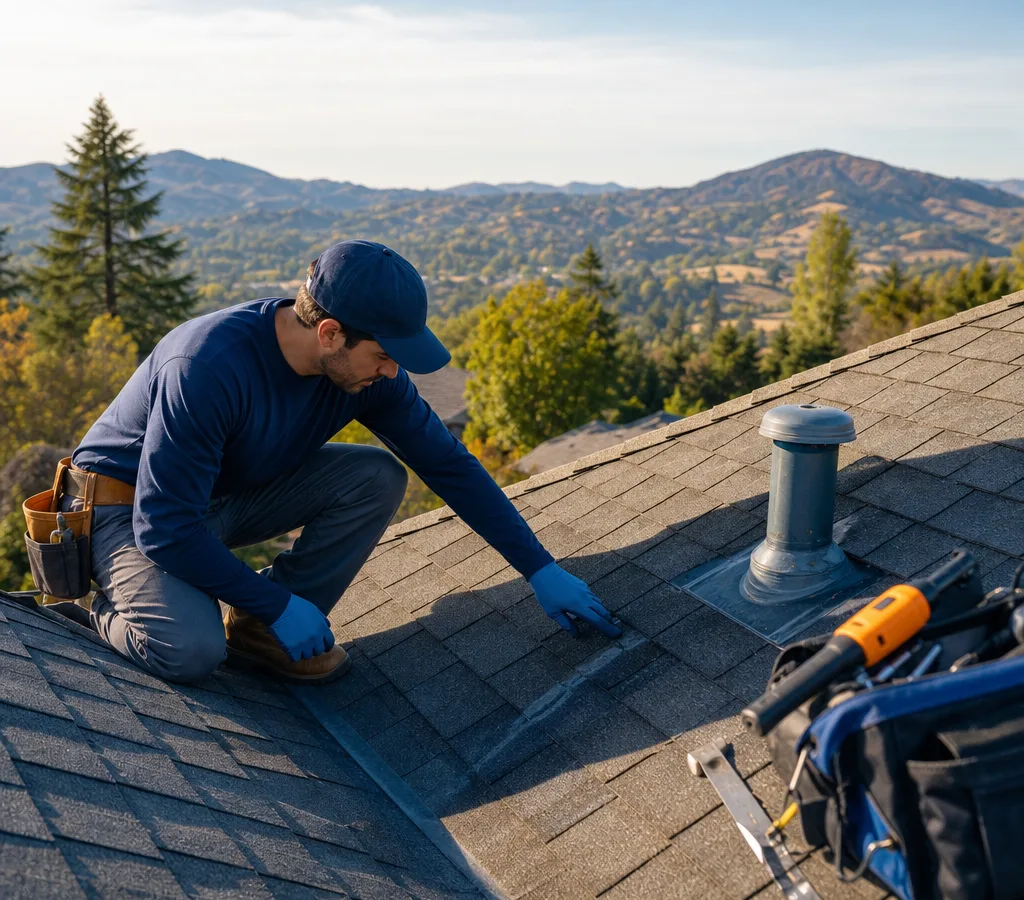
Stop leaks fast and protect your home with a clear repair plan, straightforward pricing, and careful workmanship from Roofing Orinda.
A ceiling spot or bubbling paint usually shows up far from the real entry point. Water can travel along underlayment, plywood seams, rafters, and flashing before it finally drips inside. The right roof repair starts with tracing the path and fixing the roof detail that failed, not just sealing what you can see from the ground.
Roofing Orinda handles common Orinda repair calls like active leaks, wind-lifted shingles, slipped or cracked tiles, punctures, and flashing problems around chimneys, skylights, vents, and sidewalls. We work on typical Bay Area roof systems including asphalt composition shingles and tile roofs, and we approach every job with the same priorities: safe access, careful diagnosis, and a written scope so you know what is being repaired and why.
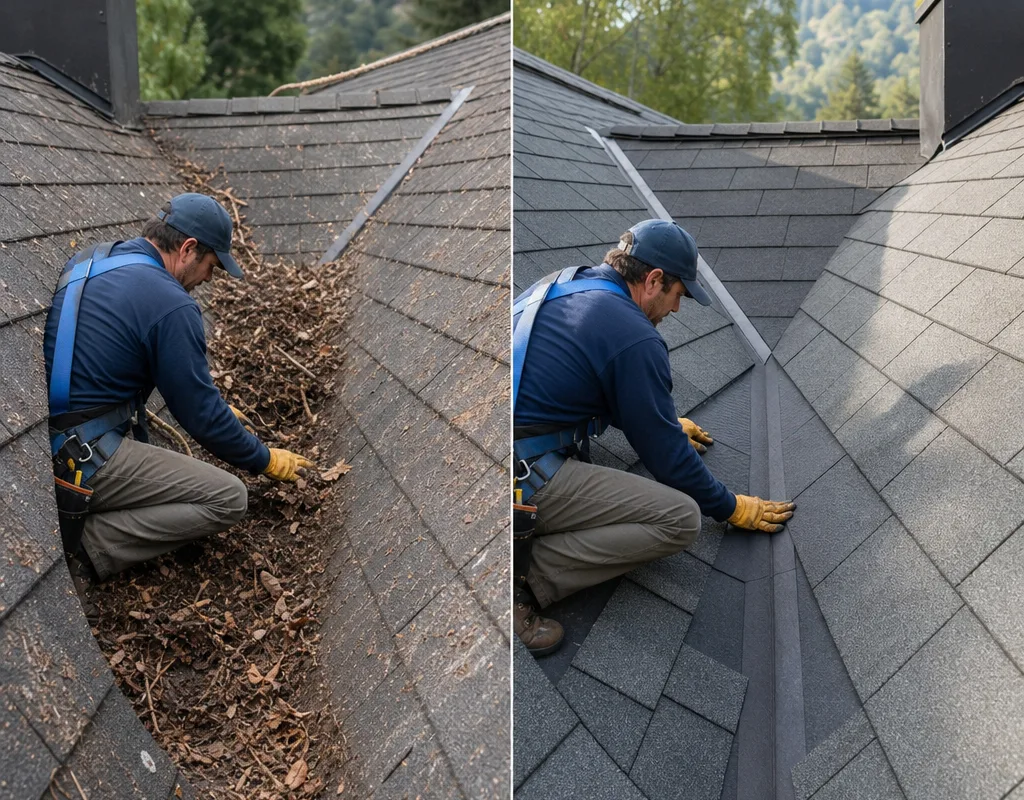
Orinda homes often sit on hillsides or under heavy tree cover. Both matter for repairs. Steeper access and multi-level rooflines can make safe setup more involved, while leaves and debris can speed up wear in valleys and gutters where water needs a clear path off the roof.
We inspect the roof surface and the details that commonly fail: step flashing at walls, chimney flashing, skylight curbs, plumbing vents, valleys, and any prior patch areas. The goal is to find the first point of entry.
A repair should tie into what you already have, whether that is composition shingles, tile, or low-slope roofing at a porch or addition. Matching profiles and fastening methods helps the repair last and look right.
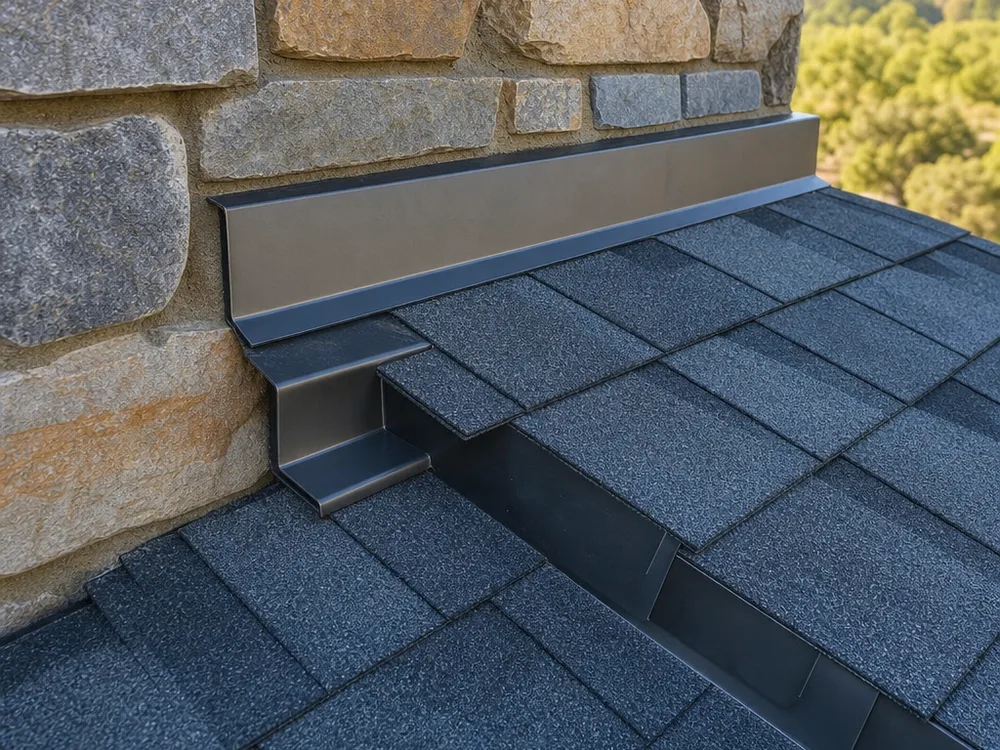
Most chronic leaks come from metal transitions, not the field of the roof. We prioritize correct overlap, fastening, and compatible sealants where sealant is appropriate, rather than relying on caulk as the primary fix.
If moisture got under the roofing, the repair may require replacing damaged plywood and restoring underlayment integrity so water cannot track behind the finished roof covering.
We keep the site tidy, remove debris from the work area, and provide clear notes on what was repaired so future maintenance is simpler.
Repairs look different depending on roof type and where the failure is.
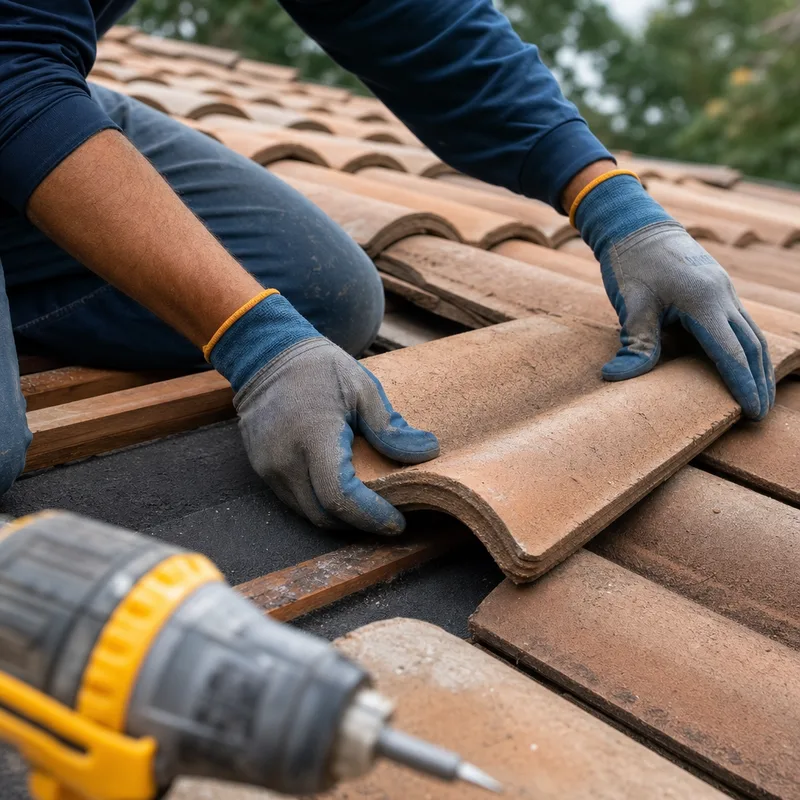
Composition shingle repairs often involve replacing damaged shingles, correcting exposed nails, resetting lifted courses, and rebuilding flashing transitions. On tile roofs, the issue may be slipped, cracked, or broken tiles; failed bird stop at the eave; or aged underlayment showing up as leaks even when tiles still look intact.
We also see repair calls after branches fall or debris punctures the roof surface. In those cases, the work is not only patching the opening. It includes restoring underlayment, checking nearby fasteners and seams, and making sure water will still shed properly at the surrounding courses.
If you are trying to decide whether a repair is enough or the roof is reaching end of life, we will explain what we found and what it means for the next few years of ownership. When a full replacement becomes the smarter option, the best next step is usually an on-roof assessment rather than guessing from photos.
For more about our local team and service standards, you can learn about Roofing Orinda.
You tell us what you are seeing (leak location, recent wind, fallen branch, age of roof if known). We schedule a visit that matches the urgency, especially for active leaks.
We check the problem area and the nearby details that can feed water into it. If the leak is interior-visible, we work backward to the likely entry points at the roof surface.
You get a clear description of the repair approach, what materials are involved, and any alternate options if there are multiple valid ways to fix it.
We complete the repair and verify that laps, flashing, and transitions shed water the way they should. Where needed, we replace compromised underlayment or decking in the immediate repair zone.
We review what was done, note any nearby areas to keep an eye on, and leave the area clean.
Roof repair in Orinda typically ranges from about $350 to $1,500 for smaller fixes like replacing a few shingles or sealing a minor flashing leak, while more involved repairs (valley rebuilds, chimney flashing rebuilds, localized decking replacement) often run $1,500 to $4,500+ depending on access and roof type.
Your final price depends on the repair size, material (composition vs tile), steepness and staging needs, number of roof penetrations involved, and whether underlayment or plywood needs replacement. We confirm the exact scope and cost after an on-roof inspection.
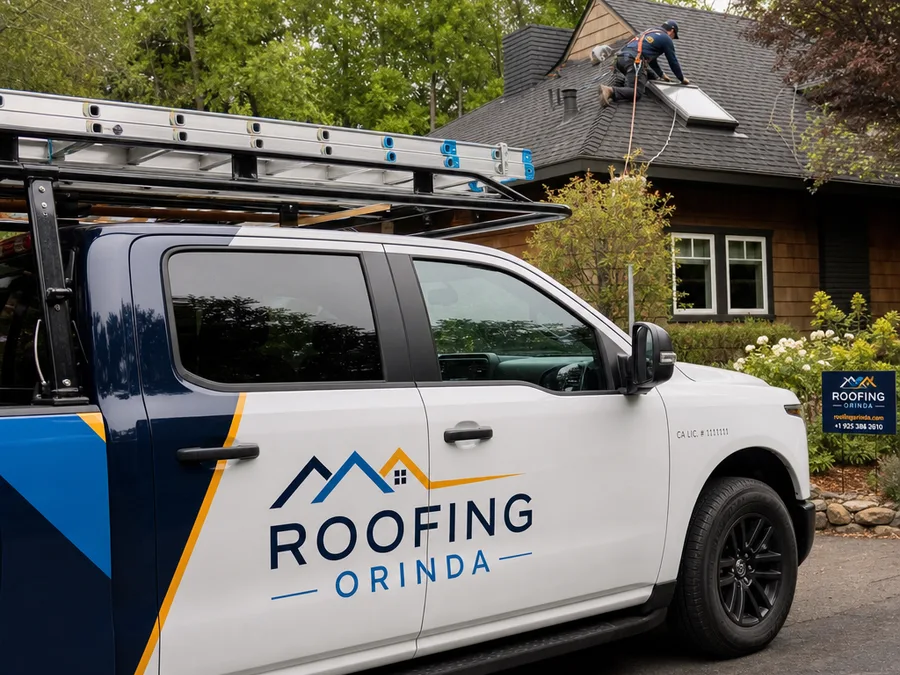
“We had a leak that only showed up during heavier rain. They traced it to flashing near a sidewall, explained the repair, and fixed it the same week. No more dripping and the repair blends in.”
“A few tiles had slipped and one cracked. The team replaced the damaged tiles and checked the surrounding area so we were not chasing another leak later.”
For active leaks, the priority is to schedule an inspection as soon as possible and stop water intrusion with a proper repair plan for the source. Timing depends on weather and access, but sharing photos of the exterior area and the interior leak location helps us plan the right materials and staging for the visit.
No. Many roof leaks come from flashing failures at chimneys, skylights, vents, and sidewalls, or from valleys where debris holds water. Shingles can look mostly fine while water enters at a transition and travels under the roofing before showing up inside.
Yes, many tile roof problems are localized, such as cracked or slipped tiles or failed flashing at a penetration. The key is confirming whether the underlayment beneath the tiles is still doing its job, because underlayment condition often determines whether a repair will be durable.
Only if the decking is damaged or soft where water entered. When a leak has been active for a while, replacing a small section of compromised plywood and restoring underlayment is often the right fix, because it removes the weakened substrate that can cause fastener and flashing problems later.
If water is actively dripping, catch it in a bucket and move valuables out of the area; if safe, use towels to limit spread and note exactly when the leak occurs (steady rain, wind-driven rain, or after debris falls). Avoid climbing on the roof, especially on steep Orinda rooflines or wet surfaces, because falls are a common injury risk.
A repair is usually a good choice when the issue is confined to a detail (flashing, a small puncture, a limited number of damaged shingles or tiles) and the surrounding roof covering and underlayment are in reasonable condition. If there are repeated leaks in different areas, widespread brittle shingles, or underlayment failure under tile, we will explain what we see and what the practical options are before you spend money on patches.
Tell us what you are seeing and when it started. Roofing Orinda will inspect the roof, pinpoint the entry point, and provide a written scope so you can approve the right repair with confidence.