
A written scope that matches what your roof needs
We document findings and spell out the plan so you can compare options and understand what is included before work starts.

Get practical guidance and clean, durable roofing work for Orinda homes, with a clear scope, solid materials, and a jobsite that stays tidy from start to finish.
If you searched for roof Orinda, you are probably weighing a repair, a full replacement, or you have a leak that cannot wait. The fastest way to protect your home is an inspection that separates cosmetic wear from true failure points, then puts the fixes in writing so you can make a confident decision.
Roofing Orinda works on residential roofs across Orinda (94563), focusing on the issues that actually cause water entry and early roof failure: flashing that has lifted, pipe jack boots that have cracked, valleys holding debris, underlayment that has aged out, and missed details around skylights, chimneys, and wall transitions. In the East Bay, sun exposure and seasonal storms can be hard on roof surfaces and sealants, so we look closely at penetrations and edges, not just the main field of shingles.
You will get straight answers: what can be repaired, what should be replaced, what can wait, and what should not. If you want a sense of how we approach jobs and communication, you can get to know Roofing Orinda and what our team prioritizes on every project.
Roofing problems rarely announce themselves at a convenient time. Most calls fall into a few categories, each with a different best next step.
A ceiling stain does not always mean the water is entering directly above it. We trace the path, check common entry points such as valleys, step flashing, plumbing vents, and skylight curbs, and make repairs that address the cause. Typical repairs include replacing damaged shingles or tiles, resealing or replacing flashing, renewing pipe boots, fixing open seams on low-slope areas, and correcting prior patchwork.
When a roof is at the end of its service life, repeated repairs can become a cycle. Replacement is often the better long-term choice if the surface is brittle, the underlayment has failed, or prior layers and workmanship make reliable repair unrealistic. A proper re-roof plan includes tear-off when needed, deck inspection and sheathing replacement where required, suitable underlayment, correctly integrated flashing, and attic ventilation checks.
After heavy rain or wind, loose ridge caps, missing shingles, and damaged flashing can turn into active leaks quickly. We can document what is found with photos and a written scope so you can make decisions fast, including when insurance documentation is part of your process.
For many Orinda homes, debris in valleys and gutters is a quiet problem. Water backs up, finds a seam or nail, and shows up inside later. A periodic roof check, minor sealing, and targeted replacements can reduce surprises and extend the useful life of the roof you already have.
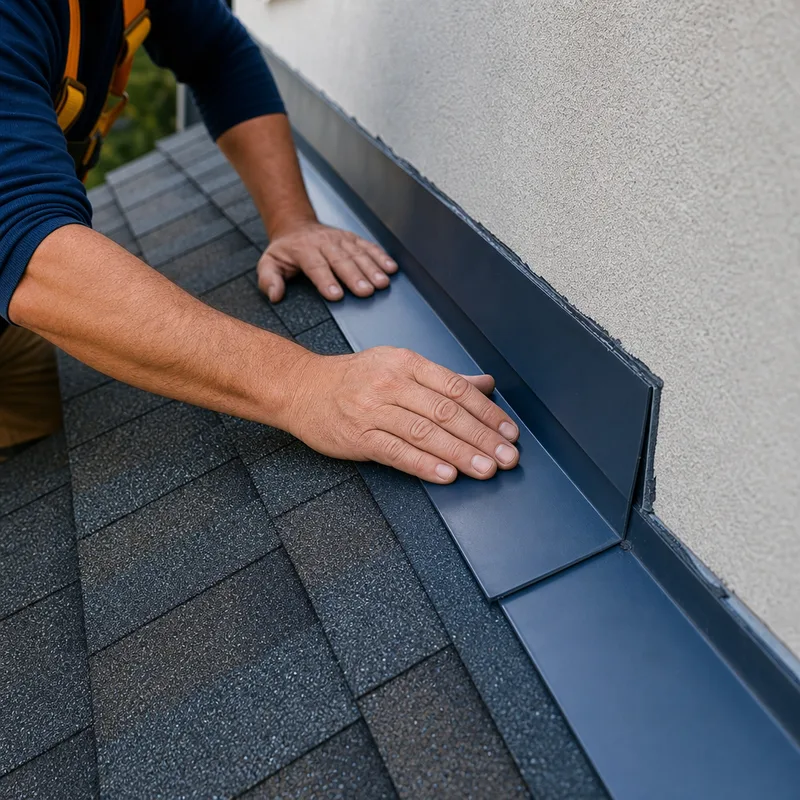
We document findings and spell out the plan so you can compare options and understand what is included before work starts.
Water management is about details: flashing integration, valley treatment, penetrations, and edges. We focus on those first.
We walk through shingle or tile condition, underlayment types, flashing metals, and fasteners so you are not guessing.
Roofs are messy if handled poorly. We plan for debris control, protect landscaping where feasible, and keep the work area orderly.
You will know what happens next, what can delay a job—weather or hidden deck damage—and how we handle changes if they appear.
Orinda homes often sit on sloped lots and tree-lined streets, and both can affect roofing logistics and long-term performance.
Steep driveways, hillside lots, and limited staging space can change how materials are delivered and where debris can be safely managed. During an onsite visit we look at truck access, ladder placement, and safe working angles so the plan fits the property.
Valleys, gutters, and roof-to-wall intersections collect leaves and small branches. That buildup can keep water where it should not be, especially around penetrations and flashing transitions.
UV and heat age sealants, boots, and surface materials, while heavy rain tests every transition point. Repairs that only smear mastic on a joint rarely last through the next cycle. We aim for repairs that restore the intended layering: underlayment, flashing, and surface material working together.
Many roof issues come from mismatched materials or shortcuts from past work—for example, flashing details that do not properly tie into underlayment, or fasteners placed where they create a leak path. We point out those conflicts so you can decide whether a targeted correction or a broader replacement makes more sense.
We start with what you have noticed—stains, drafts, granules, or missing pieces—then inspect the roof surface, penetrations, flashing, and drainage paths. If attic access is available and relevant, we may look for moisture signs or ventilation issues.
You get a clear explanation of the likely entry point or failure area, plus photos when possible so you can see what we see.
For many roofs there is more than one responsible option. We lay out repair versus replacement paths, material choices, and what the scope includes so you can compare apples to apples.
We coordinate timing around weather and access, plan material delivery, and set expectations for noise, debris control, and where we will stage tools.
We complete the agreed scope, then finish with a final walkthrough mindset: flashings, edges, valleys, and cleanup around the home.
Most roof work in Orinda typically ranges from about $450 to $1,800 for common repairs, while partial replacements often land around $2,500 to $8,500. A full roof replacement is commonly $12,000 to $30,000+, depending on roof size, pitch, material, tear-off needs, and ventilation or deck repairs.
Final pricing changes with access and safety requirements, the number of penetrations and flashing details, existing layers, and any hidden sheathing damage found after tear-off. Exact cost is confirmed after an onsite inspection and a written scope.
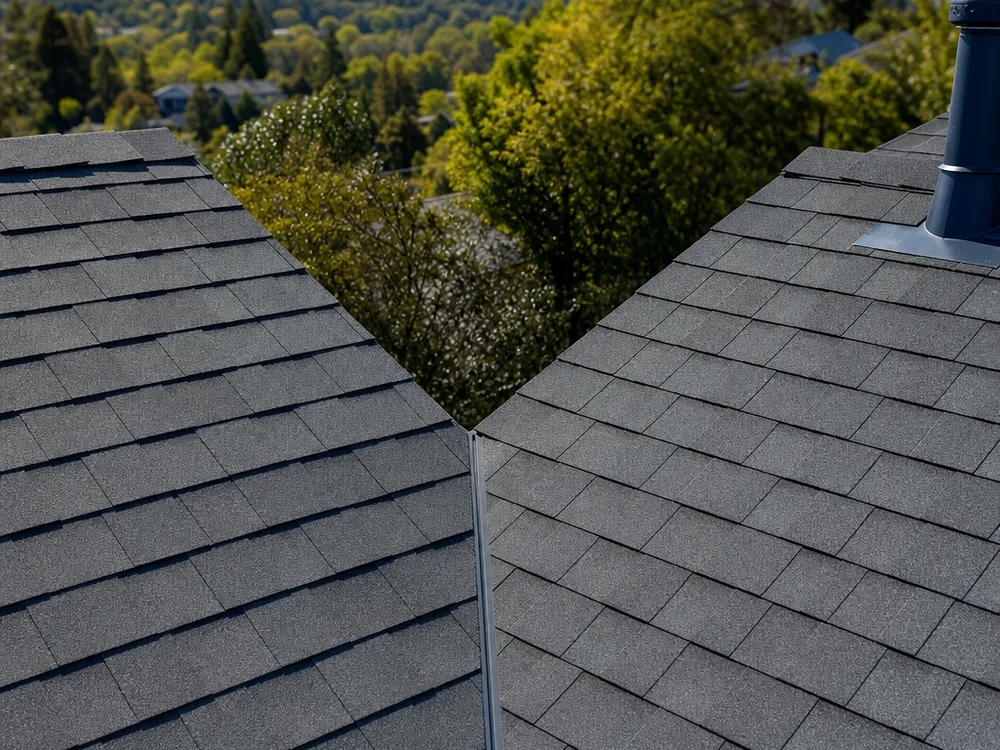
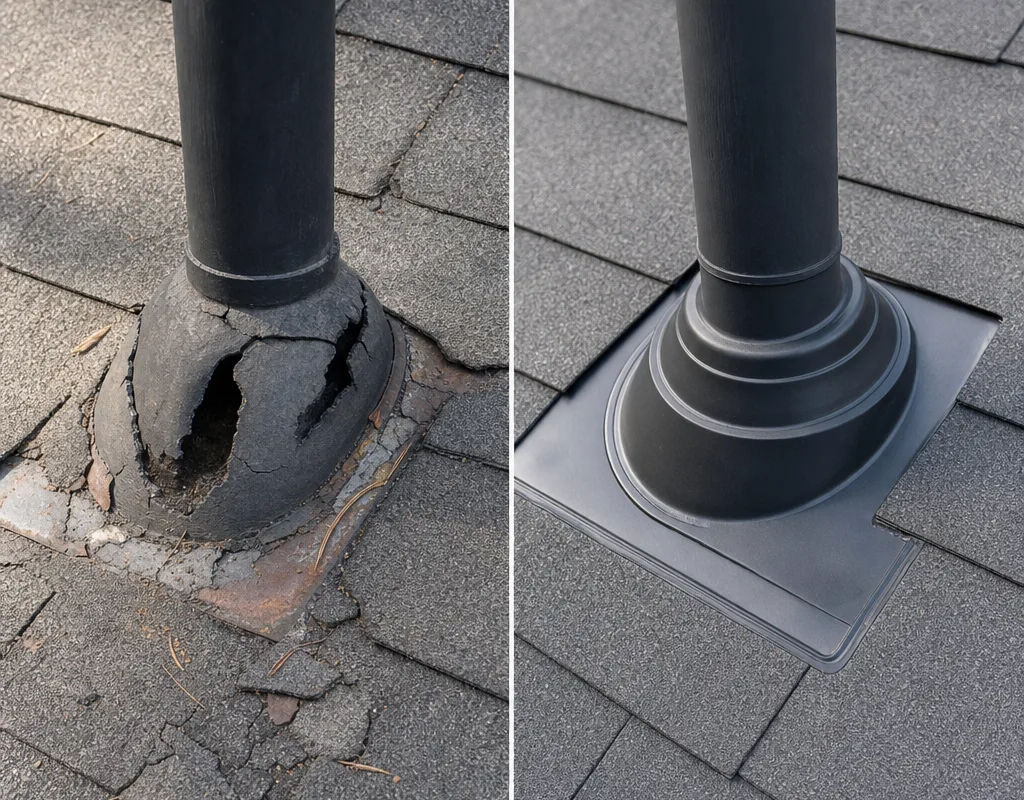
You usually can repair when the roof surface is still sound and the problem is isolated to flashing, a penetration, a small damaged area, or a short section of underlayment. Replacement becomes the better option when the surface is brittle or widespread damage is present, when prior layers and workmanship make reliable repairs unlikely, or when leaks appear in multiple unrelated areas. An onsite inspection with photos is the quickest way to separate a single failure point from an end-of-life roof.
The most common leak points are flashing transitions and penetrations: valleys, step flashing at walls, plumbing vent boots, skylight curbs, and chimneys. These areas rely on correct layering and materials that age over time, so a small failure can show up as a ceiling stain far from where the water actually enters.
Yes, many leaks can be stabilized and repaired during wet weather, but the approach depends on roof safety and whether surfaces are too wet for certain sealants or adhesives. When conditions are unsafe or a permanent repair needs dry surfaces, we can often perform a temporary water-management measure first, then return to complete the long-term fix when conditions allow.
Many standard residential roof replacements take 2 to 5 working days once the crew starts, but timing changes with roof size, pitch, material type, weather, and whether sheathing repairs are needed after tear-off. If your home has multiple penetrations, complex valleys, or steep access, build time can increase because the detailing work takes longer.
Yes, deck condition is checked as part of responsible roofing work, and any soft or damaged sheathing should be addressed so the new system has a solid base. If damage is discovered after tear-off, we document it and review the change before proceeding so you understand what is required and why.
Yes, we can provide photos and a written scope describing observed roof damage and the recommended repairs or replacement. Claim decisions and coverage are handled by your insurer, but clear documentation of conditions and scope helps you communicate what the roof needs.
Tell us what you are seeing and when it started. We will schedule an inspection, document the problem areas, and give you a written scope you can trust before any work begins.